Table of Contents
- Introduction to Defamation Laws in Pakistan
- The Meera Shafi Case and Character Attack Regulations
- Why Digital Speech Rights Matter to Everyone
- Understanding Section 20 of PECA and Social Media Legal Rules
- The Conflict Between Online Insult Penalties and the Constitution
- Current Status of Protection Against False Claims in Court
- What We Expect Next from the Supreme Court
- Professional Legal Help and Contact Information
Introduction to Defamation Laws in Pakistan
Defamation laws in Pakistan currently face a massive review by the highest judges in the land. Many citizens feel confused about what they can legally post on Facebook or Twitter. Basically, these laws aim to stop people from spreading lies that hurt the reputation of others. However, the government sometimes uses these rules to punish people who speak the truth about powerful individuals. This article explains how the law works and how it protects your basic right to express yourself.
The Meera Shafi Case and Character Attack Regulations
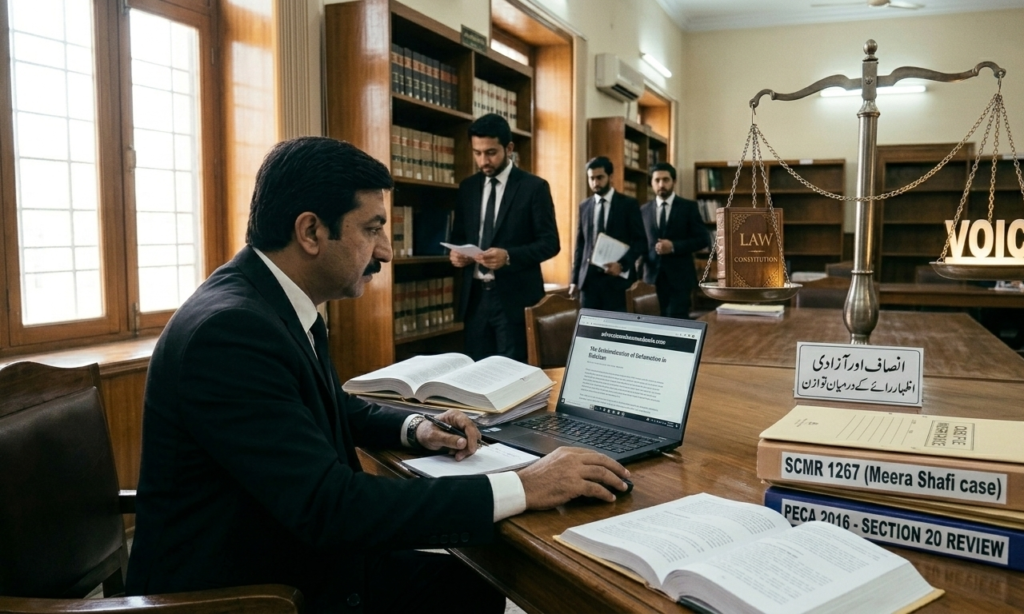
The case of Meera Shafi stands as a primary example of how character attack regulations function today. After she shared her story online, the accused person used the law to file a criminal complaint against her. This created a situation where a victim had to defend herself in a criminal court just for speaking up. Consequently, the Supreme Court stepped in to see if the police and the courts used the law correctly in this instance. This specific case will decide the future for many other people facing similar legal battles.
Why Digital Speech Rights Matter to Everyone
Digital speech rights impact every person who owns a smartphone or uses the internet in Pakistan. If the law remains too strict, people will stop sharing important news or reporting crimes because they fear prison. Freedom of expression allows a society to grow and correct its mistakes through open discussion. Therefore, we must protect the ability to speak without the constant threat of a police officer showing up at the door. A healthy democracy requires a balance between protecting a person’s name and allowing honest public talk.
Understanding Section 20 of PECA and Social Media Legal Rules
The government introduced Section 20 of the Prevention of Electronic Crimes Act to create social media legal rules. This specific part of the law makes online defamation a crime that can lead to years in jail. Unlike civil law where you only pay a fine, this criminal law treats an online comment like a major offense. Many lawyers argue that this rule creates too much power for the state to silence its critics. Because of this, the legal community watches the Supreme Court very closely for any changes to this section.
The Conflict Between Online Insult Penalties and the Constitution
A major conflict exists between the online insult penalties in PECA and the Constitution of Pakistan. Article 19 of the Constitution clearly promises that every citizen enjoys the right to freedom of speech. Furthermore, Article 10A promises a fair trial to every person who faces a criminal charge. The Supreme Court must now decide if Section 20 violates these supreme rights of the people. If a law goes against the Constitution, the judges have the power to cancel that law or change it completely.
Current Status of Protection Against False Claims in Court
The Supreme Court has provided temporary protection against false claims by stopping the criminal trial of Meera Shafi. The judges want to hear detailed arguments from all sides before they make a final decision on the legality of criminal defamation. This stay order means that the police cannot continue the prosecution for now. This decision brings a huge sigh of relief to activists and journalists who face similar charges across the country. It shows that the court takes the right to free speech very seriously.
What We Expect Next from the Supreme Court
The legal world waits for a final judgment that will define the limits of free speech for the next generation. The Supreme Court might decide to remove the criminal punishment for defamation entirely and leave it as a civil matter. Alternatively, they might provide very clear guidelines on what the police can and cannot do. This ruling will certainly change how the Federal Investigation Agency (FIA) handles complaints from the public. Everyone hopes for a result that protects both individual honor and the collective right to speak freely.
Professional Legal Help and Contact Information
If you face a case regarding online comments or need help protecting your reputation, you should consult an expert advocate. The law changes quickly, and you need someone who understands the latest decisions from the Supreme Court. We provide full legal support for all matters related to defamation and cybercrimes.
Muhammad Amin, Advocate
Phone: 0313-9708019 Email: muhammadaminadvo111@gmail.com Office: Office No. 14, Zeb Plaza, University Road, Tahkal Payan, Peshawar