Table of Contents
- Understanding Marriage Dissolution Across Different Faiths
- The Legal Process of Talaq for Muslim Husbands
- How a Wife Can Obtain Khula Through the Family Court
- Seeking Divorce Through the Dissolution of Muslim Marriages Act
- Mutual Consent and the Concept of Mubarat
- Divorce Procedures for the Christian Community in Pakistan
- Dissolution of Marriage Under Hindu Law and the Act of 2017
- Marriages Under the Special Marriage Act 1872
- The Essential Role of the Union Council in Divorce Matters
- Final Thoughts on Legal Compliance and Future Steps
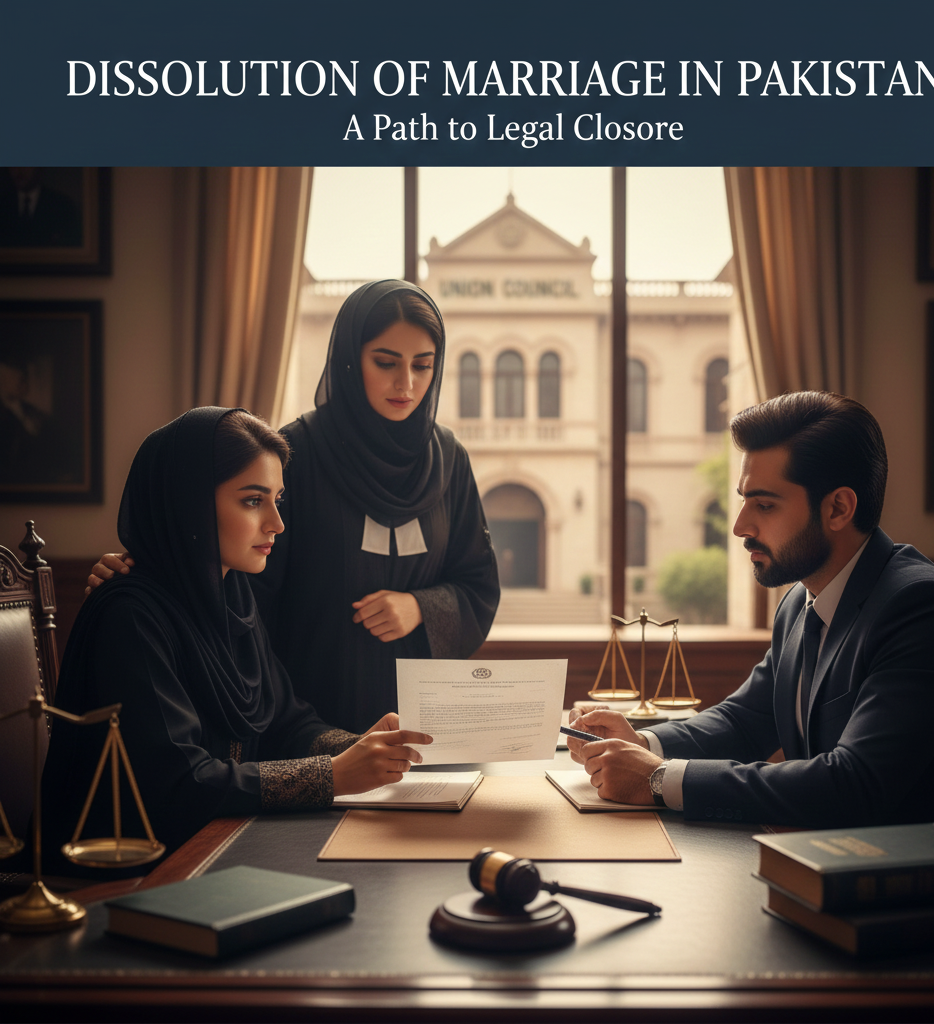
Understanding Marriage Dissolution Across Different Faiths
Dissolution of Marriage in Pakistan follows specific religious regulations depending on the faith of the couple involved. The state provides distinct legal frameworks for Muslims, Christians, and Hindus to ensure fair treatment for everyone. Consequently, you must understand the specific statutes that apply to your situation to ensure a legally recognized separation. Failing to follow these procedures often leads to legal complications regarding remarriage or inheritance later in life.
The Legal Process of Talaq for Muslim Husbands
A Muslim husband may initiate the divorce process either orally or through a written document. However, Section 7 of the Muslim Family Laws Ordinance 1961 mandates that he must notify the relevant Union Council immediately. After receiving this notice, the Union Council forms an Arbitration Council to attempt reconciliation between the spouses. If these efforts fail after a period of ninety days, the divorce becomes legally effective. A husband who forgets to notify the Union Council faces a situation where the law regards the divorce as ineffective and void.Dissolution of Marriage in Pakistan
How a Wife Can Obtain Khula Through the Family Court
A Muslim wife possesses the right to end her marriage by filing a lawsuit for Khula in a Family Court. During this legal procedure for Khula, she must express her clear desire to separate and offer to return her dower or dower property. The judge typically tries to reconcile the husband and wife during the initial hearings. If the relationship remains broken beyond repair, the court grants a decree of dissolution of marriage. This process ensures that a woman can seek freedom from an unhappy union even if the husband does not agree to a divorce.Dissolution of Marriage in Pakistan
Seeking Divorce Through the Dissolution of Muslim Marriages Act
The Dissolution of Muslim Marriages Act 1939 provides several specific grounds for a wife to seek a court-ordered divorce. For instance, she may approach the court if her husband commits acts of cruelty or frequent physical assault. Furthermore, she can file for divorce if her husband remains missing for four years or fails to provide financial maintenance for two years. Other valid reasons include the husband’s insanity, serious long-term illness, or a prison sentence lasting seven years or more. The court examines the evidence carefully before passing a final judgment to dissolve the marriage.Dissolution of Marriage in Pakistan
Mutual Consent and the Concept of Mubarat
When both parties agree to end their marriage peacefully, the law recognizes this as Mubarat or mutual consent. This form of divorce occurs when both the husband and wife sign a mutual agreement to part ways. Unlike other forms of divorce, this process usually does not require lengthy court interventions because both individuals accept the outcome. Islamic principles govern this practice although no single explicit statutory provision dictates every detail. Therefore, couples often prefer this path to maintain dignity and avoid public legal battles.
Divorce Procedures for the Christian Community in Pakistan
Christian citizens must follow the Divorce Act of 1869 when they decide to end their marital bond. Section 10 of this act outlines various grounds such as adultery, cruelty, or desertion lasting for at least two years. A person must file a formal petition in a civil court to begin the dissolution process. The judge then hears testimony from both sides and makes a sincere attempt to save the marriage through reconciliation. If the evidence proves the claims, the court issues a decree that officially dissolves the marriage.
Dissolution of Marriage Under Hindu Law and the Act of 2017
The Hindu Marriage Act 2017 now provides a clear legal path for Hindu citizens to seek a divorce in Pakistan. This law allows individuals to file petitions in Family Court on grounds like mental illness or an irretrievable breakdown of the relationship. Additionally, conversion to another faith or abandonment for two years serves as a valid reason for legal separation. The court follows a structured procedure to confirm these grounds while prioritizing the possibility of a peaceful settlement. This modern act ensures that the Hindu community enjoys documented and legally protected marital rights.
Marriages Under the Special Marriage Act 1872
Some individuals choose to marry under the Special Marriage Act 1872 regardless of their personal religious beliefs. This statute applies its own set of rules for the dissolution of marriage which includes filing a petition in a civil court. Valid grounds under this act include desertion, cruelty, or any other legitimate reason recognized by the court. After a thorough hearing of the facts, the judge may grant a dissolution decree to the petitioner. This law provides an alternative route for those who prefer a more secular legal framework for their domestic matters.
The Essential Role of the Union Council in Divorce Matters
The Union Council plays a vital administrative role in the divorce laws in Pakistan for the Muslim majority. It serves as the primary bridge between personal pronouncements and official state records. Without the involvement of the Union Council, a divorce certificate remains incomplete and legally unverified. This institution ensures that all parties receive proper notice and a fair chance to speak during arbitration. Therefore, every citizen must ensure that the Union Council records their final divorce decree to avoid future legal hurdles.
Final Thoughts on Legal Compliance and Future Steps
Ending a marriage is a significant life event that requires careful adherence to the law of the land. Each religious community in Pakistan has its own set of rules that ensure a fair and transparent process for everyone. Compliance with these statutes protects your honor and ensures that the state recognizes your change in marital status. Always seek professional advice to navigate these sensitive matters correctly and with the respect they deserve.
For professional assistance with law services and related legal matters, contact: CALL ANY TIME
Muhammad Amin, Advocate 📞 Phone:0313-9708019 📧 Email: muhammadaminadvo111@gmail.com