
Table of Contents
- Defining Honor Based Violence
- Roots of Honor Based Murders
- Islamic Teachings Against Honor Crimes
- Legal Reforms for Women’s Safety
- Court Rulings on Honor Based Violence
- A Future Without Honor Based Crimes
Defining Honor Based Violence
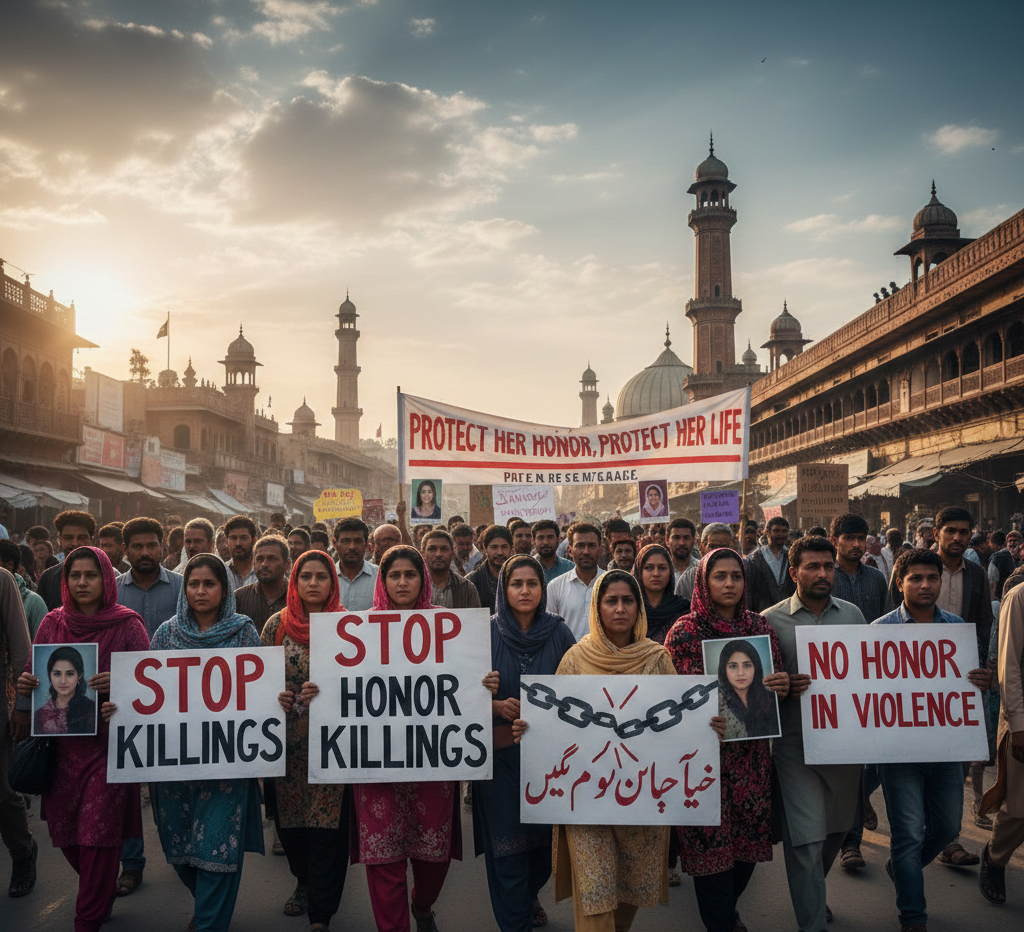
Honor based violence describes a brutal practice where family members murder a relative to protect a perceived reputation. Many people refer to this as Karo-Kari in specific regions of Pakistan. Perpetrators usually target women because they believe the victim brought shame to the household. These actions often stem from a desire to control the life choices of women. The victims face violence for simple acts like choosing a marriage partner or using social media. This practice violates fundamental human rights and contradicts every modern ethical standard.
Roots of Honor Based Murders
The cultural history of honor based murders stretches back to ancient tribal systems. These systems treated women as property rather than individuals with their own rights. In many rural and tribal areas, patriarchal mindsets still dictate social rules. Men feel a social pressure to prove their masculinity by punishing women who defy tradition. This toxic cycle continues because some communities value a false sense of pride over human life. We must recognize these cultural roots to dismantle the mindset that allows such crimes to happen.
Islamic Teachings Against Honor Crimes
While some people wrongly use religion to justify their actions, Islamic law strictly forbids honor crimes. The Quran emphasizes the sanctity of life and states that killing one innocent person is like killing all of humanity. Islam requires a rigorous legal process and four witnesses for any accusation of misconduct. Vigilante justice has no place in a religious framework. True Islamic teachings promote compassion, justice, and the protection of women. Scholars across the globe confirm that these murders are haram and represent a grave sin against God and society.
Legal Reforms for Women’s Safety
Pakistan has introduced significant legal reforms to combat honor based violence over the last decade. The Anti-Honor Killing Law of 2016 remains a vital milestone in this struggle. This law ensures that a family cannot simply “pardon” a killer to help them escape punishment. Authorities now treat these cases as premeditated murder under the Pakistan Penal Code. Despite these strong laws, the justice system still faces hurdles like slow trials and local pressure. Improving the enforcement of these rules is the only way to ensure safety for vulnerable individuals.
Court Rulings on Honor Based Violence
Recent court decisions provide a beacon of hope for victims of honor based violence. Landmark judgments like PLJ 2024 Cr.C. 1083 explicitly state that there is no honor in murder. Judges now use their authority to punish offenders with life imprisonment or death sentences. These rulings send a clear message that the state will not tolerate violence under the guise of tradition. The judiciary plays a critical role in redefining what honor actually means in a civilized society. By upholding the rule of law, the courts protect the dignity of every citizen.
A Future Without Honor Based Crimes
Ending honor based crimes requires a collective effort from every part of society. Education serves as the most powerful tool to change the hearts and minds of the younger generation. We must empower women through literacy and financial independence so they can claim their rights. Media platforms also hold a responsibility to highlight survivor stories and condemn violence. When community leaders and religious scholars speak out together, the culture of silence finally breaks. We can create a Pakistan where every individual lives free from the fear of violence.
Muhammad Amin, Advocate 📞 Phone: 0313-9708019 📧 Email: muhammadaminadvo111@gmail.com
For professional assistance with law services and related legal matters, contact: