- The Importance of Legal Safety for Kids
- Constitutional Rights and Fundamental Protections
- Emergency Response and the Zainab Alert Act
- Stopping Human Trafficking and Child Exploitation
- Understanding Provincial Child Protection Rules
- Global Commitments and International Treaties
- Current Obstacles in the Justice System
- Practical Steps for a Safer Environment
- Final Thoughts on Protecting Young Generations
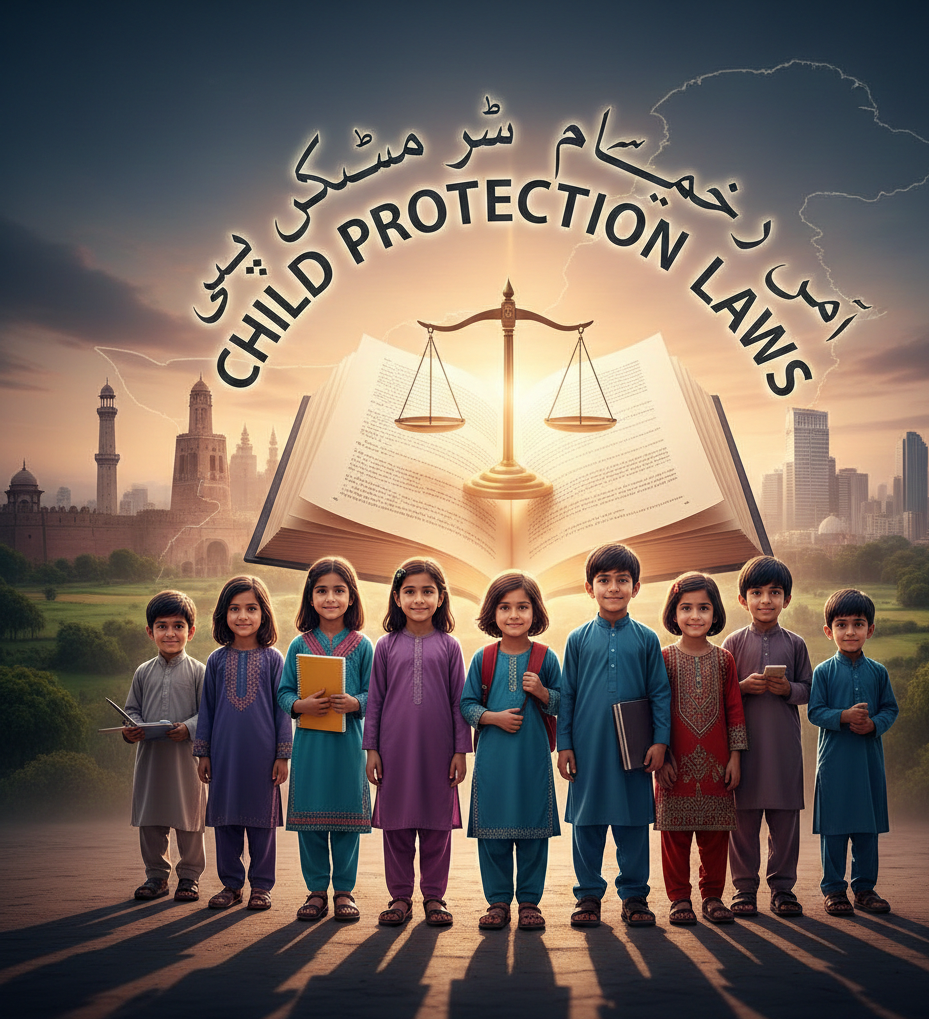
Pakistan Child Laws: A Comprehensive Guide to Legal Protection
Every child deserves a safe and supportive environment to grow. Pakistan child laws provide a solid legal foundation to protect young citizens from abuse, neglect, and violence. By understanding these rules, families and communities can better advocate for the safety and dignity of every minor.
The Importance of Legal Safety for Kids
Laws act as a shield for those who cannot protect themselves. Pakistan creates specific rules to address the unique challenges children face in society. These regulations aim to stop exploitation before it happens and provide justice when crimes occur. When everyone understands the legal rights of children, the entire country becomes a safer place.
Constitutional Rights and Fundamental Protections
The Constitution of Pakistan serves as the ultimate protector of youth. For example, Article 25-A ensures that the state provides free and compulsory education for children between the ages of five and sixteen. This right empowers children by giving them a path to a better future. Furthermore, Article 11 strictly prohibits all forms of slavery and forced labor. This part of the Pakistan child laws makes it illegal for anyone to force a minor into hazardous work. Additionally, Article 35 mandates the state to protect the family, the mother, and the child. These high-level protections ensure that the right to life and dignity belongs to every young Pakistani.
Emergency Response and the Zainab Alert Act
The Zainab Alert, Response, and Recovery Act of 2020 represents a major milestone in child safety. Named after a young girl whose case moved the entire nation, this law streamlines the search for missing children. It established a 24-hour helpline (1099) where citizens can report emergencies instantly. Moreover, this legislation forces law enforcement to act immediately without any delay. These minor protection acts ensure that abductors face severe penalties, which helps prevent future crimes.
Stopping Human Trafficking and Child Exploitation
The Prevention of Trafficking in Persons Act of 2018 is another vital part of Pakistan child laws. This act makes it a serious crime to transport or sell children for labor or sexual abuse. It treats child trafficking as a non-bailable offense to keep dangerous criminals off the streets. Besides punishment, the law focuses on the recovery and rehabilitation of victims. It ensures that survivors receive the medical and emotional support they need to heal and return to a normal life.
Understanding Provincial Child Protection Rules
Each province in Pakistan manages its own child welfare legislation to meet local needs. In Punjab, the Destitute and Neglected Children Act helps kids who have no home or guardian. In Sindh, the law completely bans physical punishment in schools and workplaces. This means adults cannot hit or hurt children as a form of discipline. Khyber Pakhtunkhwa has a Child Protection Commission that watches over vulnerable children and prevents abuse. Balochistan also has specific acts that focus on the welfare and rehabilitation of children who suffer from neglect.
Global Commitments and International Treaties
Pakistan also follows global standards to protect its youth. The country ratified the United Nations Convention on the Rights of the Child (UNCRC) in 1990. This international agreement outlines the civil, political, and social rights of every minor. By following these rules, Pakistan child laws align with international best practices. These treaties help the government improve health care, education, and security for children across the country.
Current Obstacles in the Justice System
While the laws are strong, enforcement remains a significant challenge. Many families live in poverty and do not know about their legal protections. Sometimes, cultural norms make it difficult for people to report abuse within the community. Furthermore, different government departments often struggle to coordinate their efforts. These gaps can slow down the justice process for victims. However, identifying these weaknesses allows the state to work on better solutions.
Practical Steps for a Safer Environment
Strengthening Pakistan child laws requires effort from everyone. Law enforcement agencies need more resources and specialized training to handle cases involving minors. Public awareness campaigns can educate parents and teachers about the rights of children. Community leaders should also play a role by monitoring local safety and reporting suspicious activities. When people use the available legal tools, the protection system becomes much more effective.
Final Thoughts on Protecting Young Generations
The future of the nation depends on the safety of its children. Pakistan child laws offer a comprehensive framework to ensure every minor lives with dignity and security. Although challenges exist, the combined efforts of the government and the public can make a real difference. By upholding these laws, Pakistan moves closer to a world where every child feels safe and loved.
For professional assistance with law services and related legal matters, contact:
Muhammad Amin, Advocate 📞 Phone: 0313-9708019
📧 Email: muhammadaminadvo111@gmail.com