Table of Contents
- Introduction to Wife Maintenance Rights
- The Legal Basis of Marital Financial Support
- How Family Courts Determine Support Amounts
- Spousal Alimony Laws After a Divorce
- Legal Steps for Non-Payment of Support
- Why Every Spouse Should Know the Law
- Contact Advocate Muhammad Amin for Help
Introduction to Wife Maintenance Rights
Wife maintenance rights ensure that every woman receives the necessary financial support from her husband during and after a marriage. The law calls this support “Nafaqah” or alimony. It covers essential needs like food, clothing, and a safe place to live. Many people feel confused about these rules, but the law clearly states that a husband must provide for his wife if she depends on him. This guide explains your rights and how the legal system protects your financial security.
The Legal Basis of Marital Financial Support
The concept of marital financial support sits at the heart of family law across the globe. In Pakistan, Islamic law and national statutes create a strong foundation for these rights. A husband carries the primary duty to provide for his wife as long as the marriage continues. This duty remains active even if the wife has her own wealth. However, the legal system expects the wife to remain faithful to her marital duties to keep these rights fully active.
How Family Courts Determine Support Amounts
Family court maintenance involves looking at several important factors before a judge decides on a specific amount. First, the court examines the husband’s total income and his property. Second, the judge looks at the wife’s personal financial needs and her health. Third, the court tries to match the standard of living that the couple enjoyed during their time together. Furthermore, the presence of children often increases the total amount because the father must also pay for their school and medical bills.
Spousal Alimony Laws After a Divorce
Spousal alimony laws change once a marriage ends through divorce. Under Islamic law, a husband must provide for his former wife during the waiting period, which the law calls “Iddah.” This period usually lasts for three months. After this time, the direct duty to provide maintenance ends unless the couple made a different agreement earlier. However, the law still protects the financial rights of the children. Mothers can always claim support for their kids regardless of the divorce status.
Legal Steps for Non-Payment of Support
If a husband ignores his husband’s legal duties and refuses to pay, the wife can take several legal steps. She can file a petition in the Family Court to demand her monthly allowance. The court has the power to deduct the money directly from the husband’s salary. Additionally, the judge can order the attachment of his property or assets to pay off the debt. These remedies ensure that no woman suffers from financial hardship due to a lack of support.
Why Every Spouse Should Know the Law
Knowing about post-divorce financial rights and current maintenance laws helps prevent many disputes. When both sides understand their responsibilities, they can manage their family matters with more fairness. Education on these topics reduces the burden on the courts and helps families find peaceful solutions. If you know your rights, you can stand up for yourself and secure the future for you and your children.
Contact Advocate Muhammad Amin for Help
Navigating family law requires a professional who cares about your future. If you face a dispute regarding maintenance, divorce, or child custody, you need expert legal advice. We specialize in protecting the rights of spouses and ensuring that families receive justice. You can contact our office at any time to discuss your case and find a path forward.
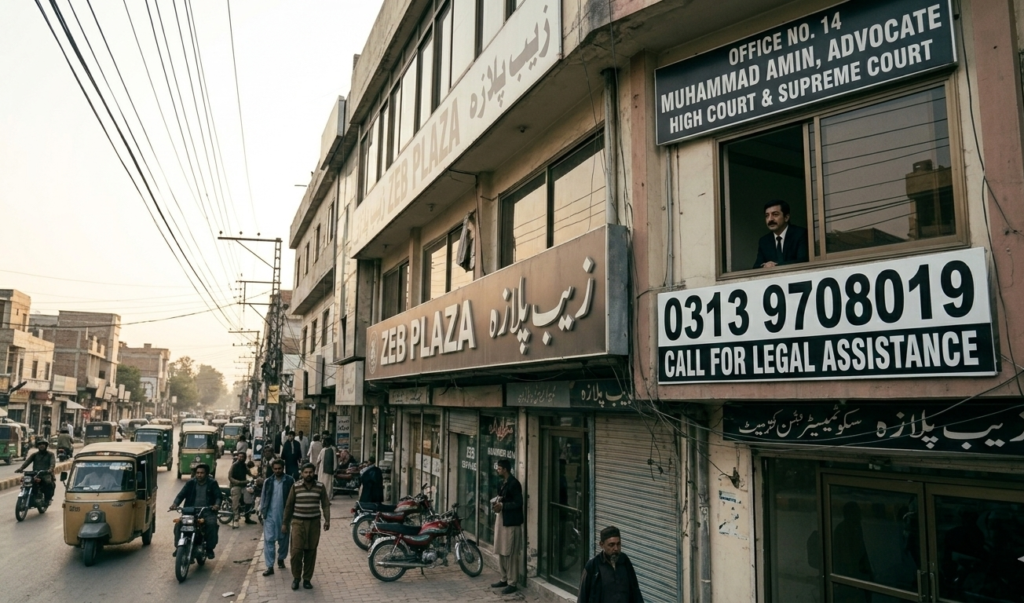
Muhammad Amin, Advocate Phone: 0313-9708019 Email: muhammadaminadvo111@gmail.com Office: Office No. 14, Zeb Plaza, University Road, Tahkal Payan, Peshawar