
Introduction to Legal Protections Against Arrest
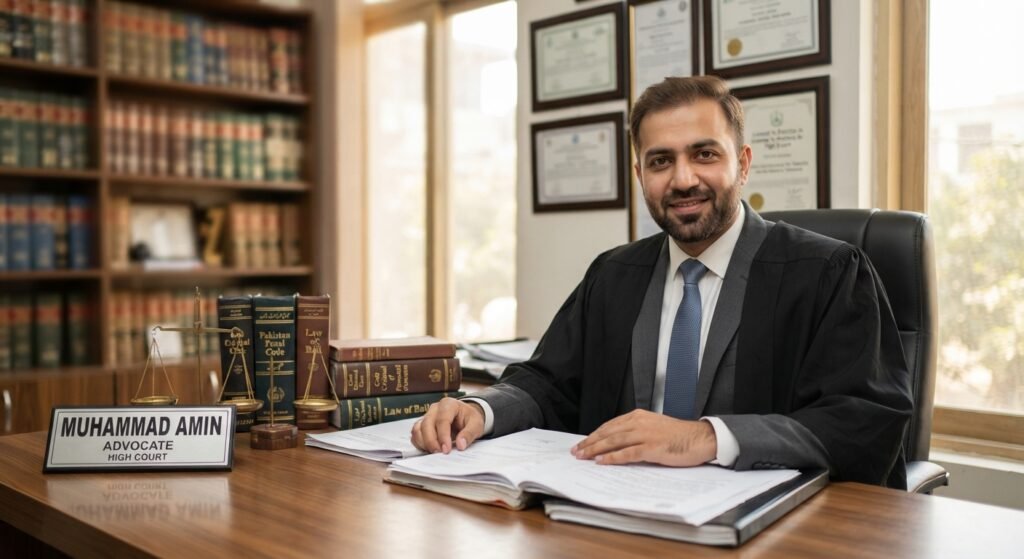
When someone faces a serious criminal accusation, they often seek immediate relief from the court. In Pakistan, the law provides a specific remedy called pre-arrest bail. This protection allows an accused person to avoid detention while the trial continues. However, courts do not grant this relief automatically. The Supreme Court of Pakistan recently clarified the strict standards for this process in a case involving a dishonored cheque. If you need expert guidance on such matters, you can reach out to Muhammad Amin, Advocate High Court and Legal Consultant, at 0313-9708019.
The Facts Behind the Bail Denial
The case of Azhar Pervaiz Bukhari serves as a vital lesson for anyone facing charges under Section 489-F of the Penal Code. The accused issued a cheque worth eight million rupees to settle a debt. Later, the accused claimed that the cheque was stolen and reported this alleged theft to the police. The state challenged this narrative, providing evidence that the cheque was issued willingly. Because the court found the theft report to be false, the legal standing of the accused weakened significantly.
Analyzing the Question of Mala Fide Intent
The law requires an accused person to prove that the complainant or the police acted with bad intentions, which lawyers call mala fide. If a person cannot show that the authorities are framing them, the court will likely reject their plea for relief. In this specific situation, the accused failed to provide any proof of such bad intent. Without clear evidence of a conspiracy, the court refused to stop the investigative process. This refusal shows that the judicial system demands transparency from those who seek protection.
Evaluating Prima Facie Evidence in Legal Cases
Courts always look for enough initial evidence, known as prima facie evidence, before they decide to grant or reject anticipatory bail. If the prosecution brings forward solid documents or facts that link the accused to the crime, the judge will naturally favor the state. In this cheque case, the connection between the issuance of the instrument and the liability remained clear. Consequently, the court maintained that the accused must face the legal procedure directly. This decision reinforces the principle that the law does not protect those who cannot explain their actions.
The Standard for Refusal of Anticipatory Bail
Judges consider pre-arrest bail an extraordinary remedy rather than a routine right. A person must convince the court that the accusations lack any foundation. When the facts suggest a clear violation of the law, the court will deny the bail request immediately. This approach ensures that the legal system remains fair to complainants while still respecting the rights of the accused. The trial court now holds the responsibility to examine the merits of the case in detail.
Conclusion and Expert Legal Guidance
The rejection of this petition sends a strong message about the importance of honesty in financial dealings. Anyone involved in similar legal disputes should understand that courts demand high standards of evidence. You do not have to navigate these complex challenges alone. For professional assistance with law services and related legal matters, you can contact
Muhammad Amin, Advocate High Court and Legal Consultant.
Please feel free to call at any time at
email muhammadaminadvo111@gmail.com. You can also visit our office located at Office No. 14, Zeb Plaza, University Road, Tahkal Payan, Peshawar.